
Organdonation statistics for Germany and Europe
The ready decline in organdonation in Germany has continued since 2010, while other european countries (Spain, France and England) have seen al.ready increases
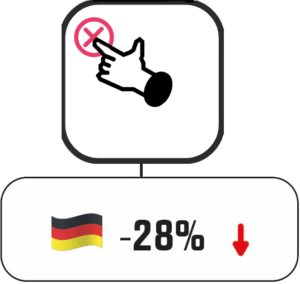
Organ donation down (-28%*) since 2010 in Germany
| Jahr | DE | SP | FR | ENG |
|---|---|---|---|---|
| 2010 | 1.298 | 1.502 | 1.538 | 1.248 |
| 2011 | 1.201 | 1.777 | 1.631 | 1.056 |
| 2012 | 1.046 | 1.643 | 1.589 | 1.164 |
| 2013 | 876 | 1.655 | 1.627 | 1.323 |
| 2014 | 864 | 1.682 | 1.627 | 1.309 |
| 2015 | 877 | 1.682 | 1.809 | 1.311 |
| 2016 | 857 | 2.018 | 1.859 | 1.401 |
| 2017 | 797 | 2.182 | 1.933 | 1.492 |
| 2018 | 955 | 2.241 | 1.881 | 1.619 |
| 2019 | 932 | 2.302 | 2.188 | 1.653 |
| 2020 | 913 | 1.777 | 1.512 | 1.248 |
| 2021 | 933 | 1.905 | 1.614 | 1.350 |
| 2022 | 869 | 2.196 | 1.694 | 1.413 |
| 2023 | 965 | 2.346 | 1.791 | 1.513 |
| 2024 | 953 | 2.562 | 1.858 | 1.385 |
Source: IroDat, *based on the year 2019 compared to 2010
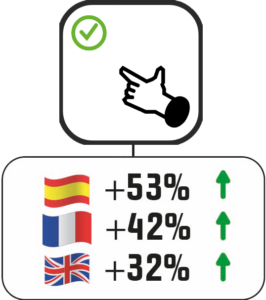
Comparison in Europa: SP +53%*, FR +42%* and GB +32% *
Source: IroDat, *based on the year 2019 compared to 2010
Growth rates compared to the previous year:
| wdt_ID | Jahr | DE | SP | FR | ENG |
|---|---|---|---|---|---|
| 1 | 2011 | -7,47 | 18,31 | 6,05 | -15,38 |
| 2 | 2012 | -12,91 | -7,54 | -2,58 | 10,23 |
| 3 | 2013 | -16,25 | 0,73 | 2,39 | 13,66 |
| 4 | 2014 | -1,37 | 1,63 | 0,00 | -1,06 |
| 5 | 2015 | 1,50 | 0,00 | 11,19 | 0,15 |
| 6 | 2016 | -2,28 | 19,98 | 2,76 | 6,86 |
| 7 | 2017 | -7,00 | 8,13 | 3,98 | 6,50 |
| 8 | 2018 | 19,82 | 2,70 | -2,69 | 8,51 |
| 9 | 2019 | -2,41 | 2,72 | 16,32 | 2,10 |
| 10 | 2020 | -2,04 | -22,81 | -30,90 | -24,50 |
| 11 | 2021 | 2,19 | 7,20 | 6,75 | 8,17 |
| 12 | 2022 | -6,86 | 15,28 | 4,96 | 4,67 |
| 13 | 2023 | 11,05 | 6,83 | 5,73 | 7,00 |
Source: IroDat, Formula: (current number MINUS previous year number) DIVIDED previous year number
The numbers are clear
Since 2000, the European countries Spain, France and England have seen a steady increase in organ donation numbers. Germany is not only in the lower range with three-digit numbers, but has experienced a real fall since 2010, from 1298 (2010) to 876 (2013).
Problem: “… Despite such regulations, which are intended to ensure a certain balance between “import and export” of organs within Eurotransplant, Germany has always been a “net importer” of organs in recent years (10-30 more hearts, livers and kidneys transplanted in Germany than removed per organ) …”
Source: Eurotransplant and readable from the book Transplantationsmedizin
Statistics from Eurotransplant on the kidney waiting list (at the end of the year) in Germany show clearly. Source: Statistics Eurotransplant.
“Here you can see how the number of waiting list patients (kidney donation) is continuously decreasing, although there are more and more waiting patients”
Fazit
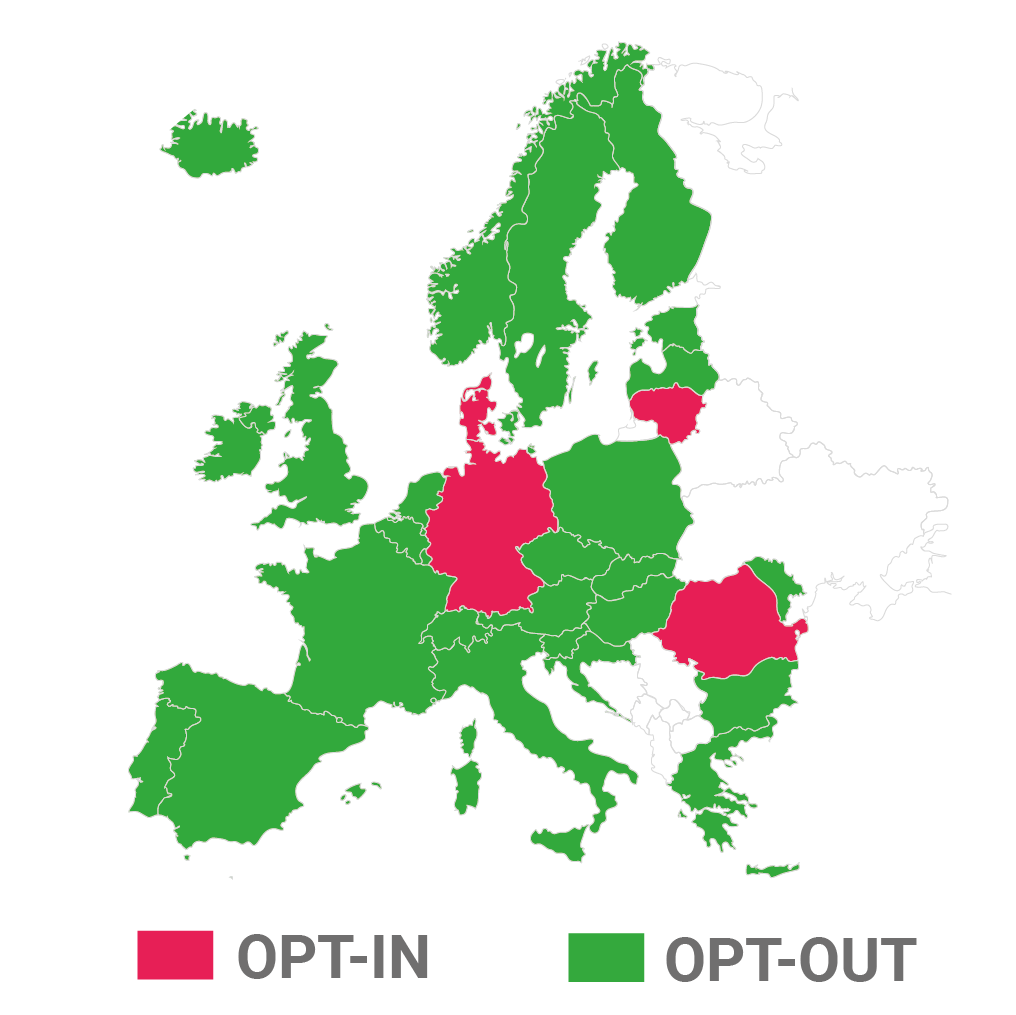
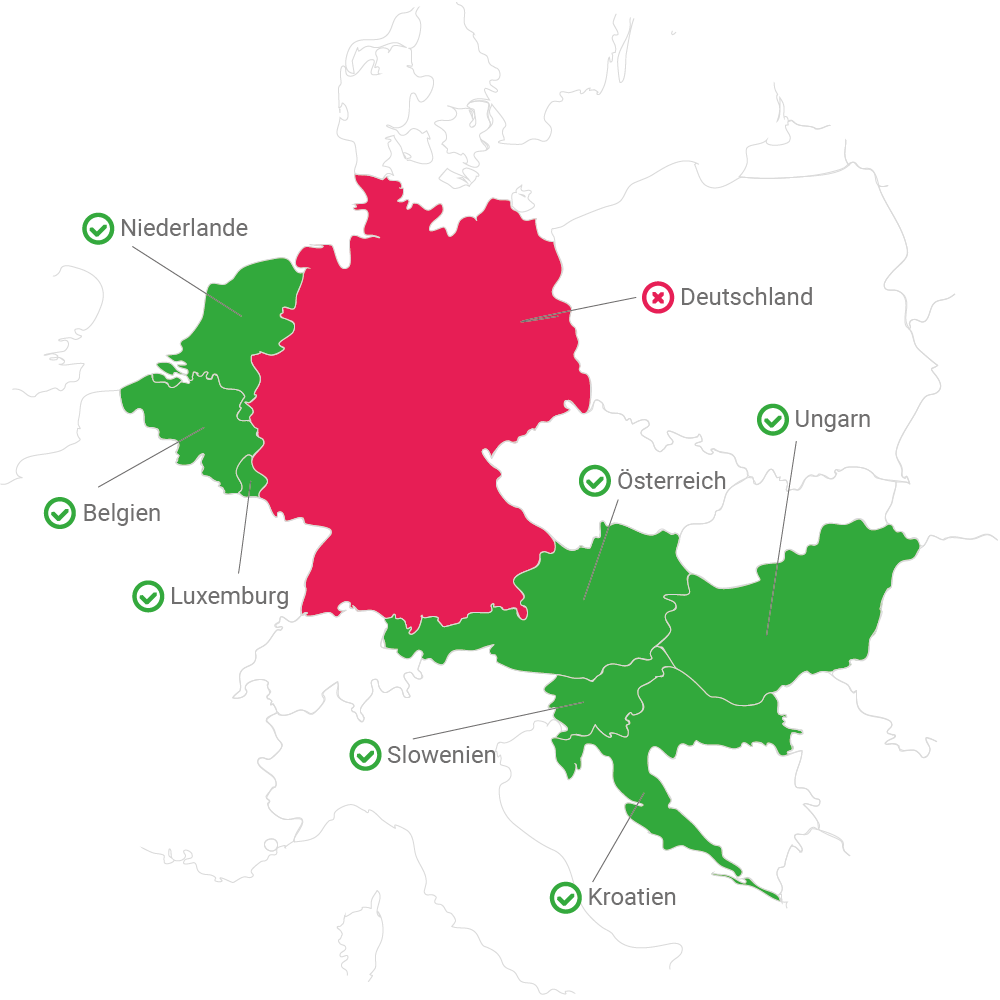
Germany not only stands alone with the OPT-IN solution (also known as the “consent solution” or “others decide for you” solution) with negative figures, but is also against the “OPT-OUT” system that the other Eurotransplant countries successfully practice.
The reason why German clinics (i.e., DSO) obtain three organs from these countries and donate one is extremely questionable, because in Germany this practice is also rejected because the argument is made that “it restricts freedom and violates human dignity”.
This means that people in Germany who depend on an organ transplant have a much worse prospect of a healthy life compared to other European countries. (Imagine: A child with kidney disease waits 11 years for a kidney transplant!) And politicians have done nothing about it for 50 years, amusing themselves with organ donor cards.
The Wartepatient